

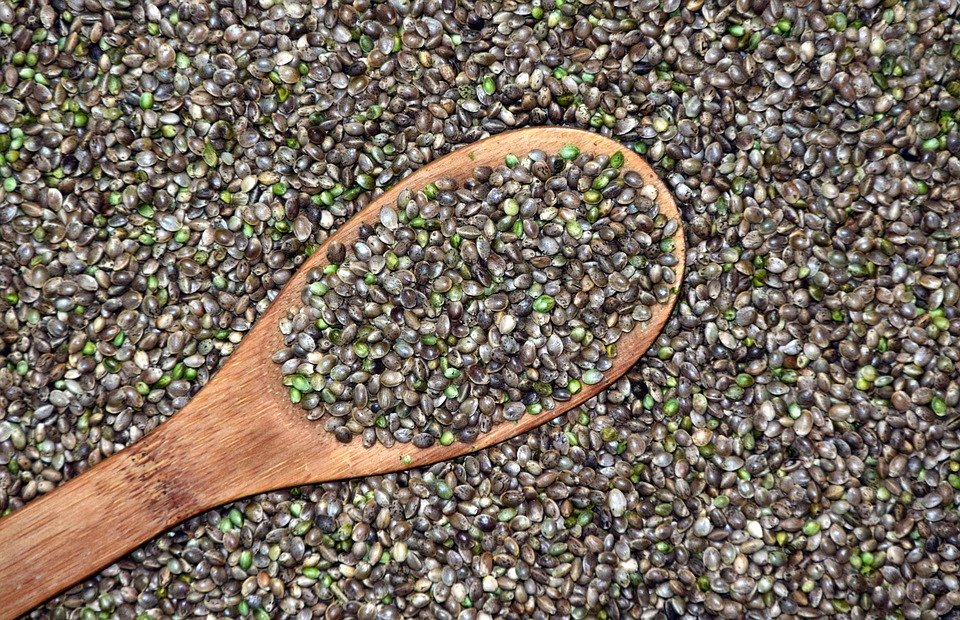
Interest in hemp is on the rise both in its raw form and the processed derivatives. Human beings, though, have used hemp for thousands of years in a variety of ways. Besides, the ongoing debate on legality and the available pieces of evidence seems to favor hemp, and there is no doubt that its use will continue to rise.
Hemp seeds have a high nutritional value. They are rich in proteins, healthy fats, minerals, and more.
Hemp seeds are popular because they don’t cause any high sensation to the users.
Unfortunately, lots of negative information is circulating about hemp seeds. Most of them are false, which is why you need to understand what hemp seeds are to differentiate facts from misconceptions.
Here are some things you should know about hemp.
1. Great Source of Fiber
Hemp seeds are suitable for your diet because they contain high amounts of fiber. Fiber aids in digestion, enabling you to enjoy a healthy digestive system. It contains soluble and insoluble fiber that play crucial roles in the human body.
Soluble fiber mixes with water in your gut to form a gel-like substance. The substance is not just an essential source of nutrients useful in the digestion process; it regulates the cholesterol levels and lowers spikes in the blood. Blood sugar spikes happen when glucose accumulates in the bloodstream.
Insoluble fiber adds weight to your stool, allowing the undigested foods to pass through the gut easily. Other studies suggest that hemp seeds can help in reducing the risks of diabetes.
2. Rich in Protein Rich
Hemp seeds have an abundant package of proteins helpful to the human body. It is one of the few plants that carry all the nine amino acids that the human body does not produce. People refer plants in this category as complete proteins because they are rich in protein and are highly valued for their unique nutrition profile. Hemp is also a favorite because it requires little processing, and it loses almost nothing in the process of preparation.
A study analyzing the features of proteins in hemp seeds discovered that they have unique characteristics. The study concluded that under adequately regulated conditions, products derived from hemp seeds could provide as many nutrients to the body as raw hemp seeds.
Hemp seeds contain easy-to-digest protein. This feature makes hemp seeds exceptional since it’s a feature shared with animal proteins. The feature results from the high content of edestin and albumin proteins that the body can break down quickly.
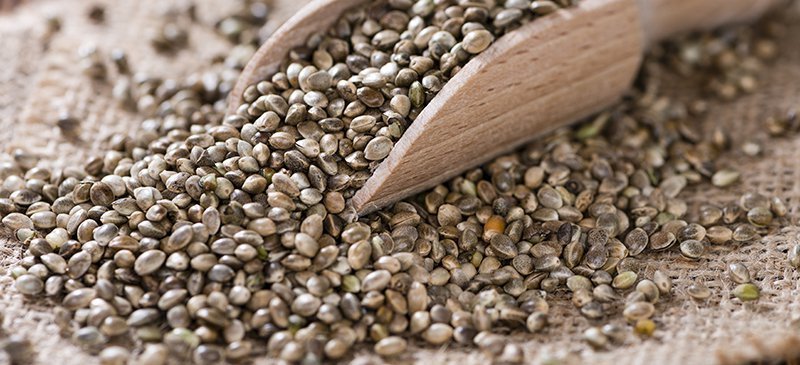
3. Rich in Omega 3, 6 and 9
Amino acids are instrumental to the body for cell-restoration functions, including detoxification, development of brain cells, hormonal growth, and maintenance of neurotransmitters. A right amount of amino acids is thus required continuously in the body.
In a 2015 study, researchers observed that eggs laid by hens fed on hemp seeds had increased levels of omega-3 and a generally higher ratio of omega 3 to omega-6. It led to the conclusion that hemp seeds contributed to the improvement of omega fatty acids in these eggs.
Hemp seeds also contain the fatty acid known as GLA (Gamma Linoleic Acid), which is among the unsaturated fatty acids that influence the function of receptors in the body’s communication system, known as the endocannabinoid system(ECS).
Traditionally, fish and other kinds of seafood are rich in omega 3, 6, and 9. Hemp seed is, taking a central place as an alternative source of these essential nutrients.
4. Used for Skin Care
The list of health benefits of hemp seeds is extensive. One of its uses is in skincare. Hemp seeds are rich in fatty acids, which explains why they used in the maintenance of soft skin and the treatment of several skin infections. Gamma Linoleic Acid (GLA) helps to reduce inflammation, thus assisting the skin in for fight infections such as acne.
One study found that the use of hempseed oil reduced the effects of atopic dermatitis, commonly known as eczema. The study further noted that the high levels of PUFAs (Polyunsaturated fatty acids) in hemp seeds could be the cause of its healing factors. PUFA content in hemp seed was found to be beyond 80 percent. They play a crucial role in the immune system as well.

5. Heart Disease Prevention
Heart diseases are a major cause of death around the world. In the United States, estimates indicate that up to 46% of adults have hypertension. Every 30 seconds, a person dies of cardiovascular diseases(CDV). This is alarming, considering that CDVs are controllable through lifestyle adjustments.
A high ratio of PUFAs in foods may help to lower the level of cholesterol as well as atherosclerosis, which causes the narrowing of blood vessels. Since hemp seed offers a good supply of PUFAs, it lowers the risks of developing heart diseases.
Hemp seeds have also been found to carry the amino acid arginine, which is responsible for the production of nitric acid. Nitric oxide helps in dilating the blood vessels, allowing them to relax, thus reducing the risk of heart diseases.
A study involving more than 13,000 people observed that increased intake of arginine led to a lower level of C-reactive protein(CRP), a cause of inflammation that increases the chances of heart disease. The conclusion from the study was that a higher intake of arginine-rich foods might lower the chances of cardiovascular disease.
Conclusion
Hemp seeds are quickly gaining popularity for the benefits they deliver to the human body. The future of hemp seeds is promising, given that some scientific studies support its use, and there is an increase in research, which will help in shedding more light on the subject.
However, it’s important that you do your research well before you start using hemp seeds. You should also consider seeking advice from experts on the best way to adding hemp seeds to your diet.
Like hemp seeds, CBD products come with many benefits to your health. Just make sure that you get the top CBD products from reputable sellers to enjoy all the benefits.


